Wolf cooktops
Induction cooktop drops out, or will not see the pan
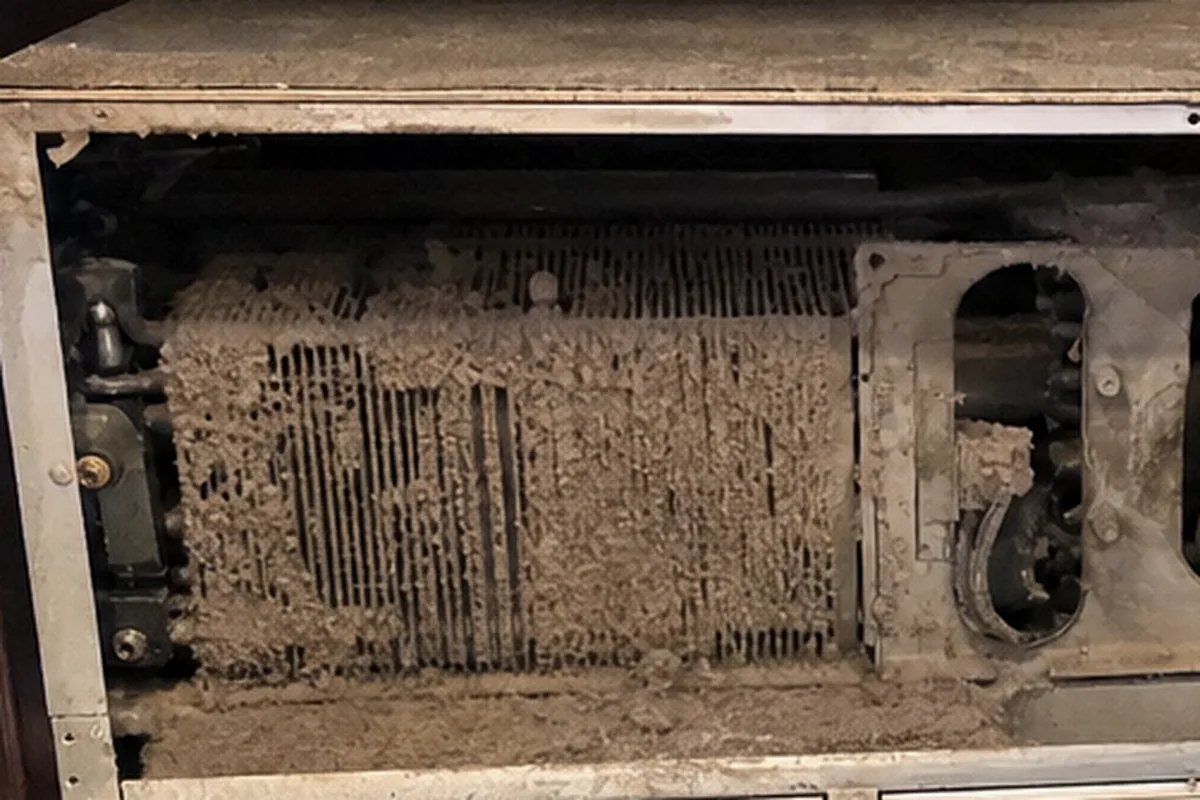
An induction cooktop is a power electronics box with a glass lid. Almost every fault we are called to is either heat, cookware, or a connection — in that order of frequency.
Thermal shutdown is the common one
Under the glass sits an inverter with power transistors that need moving air. The cooktop monitors its own temperature and will reduce power or shut a zone down entirely to protect itself. A zone that drops out after twenty minutes of hard boiling, or a cooktop that goes dark and recovers a minute later, is usually telling you its electronics are too hot.
The reasons are nearly always installation or airflow:
- The intake or exhaust path under the cooktop is blocked. A drawer stuffed full, a shelf added later, or a filler panel fitted at the front closes off the air the unit needs.
- The cooktop was installed above an appliance that pushes heat upward, or in a cabinet run with less clearance than the specification calls for. This is routine in the numbered-street cottages where a modern cooking package was dropped into 1930s cabinet depths.
- The cooling fan itself is dying, or its blades are furred with dust and salt film. Salt aerosol reaches under a cooktop the same way it reaches everything else in a beach house.
A cooktop that has been thermally cycling like this for a long time eventually does damage a power module. Catching it while it is still an airflow problem is much cheaper.
Pan detection
Induction only works with a ferrous base. Before we do anything else we test the pan with a magnet: if a magnet does not stick firmly to the base, the cooktop is behaving correctly by refusing it. Warped or thin bases are the next cause — a pan that rocks or has lifted in the middle loses coupling and the cooktop reads it as absent. Small pans on large zones sometimes fall under the minimum detection diameter for that zone.
Only when the cookware checks out do we look at the coil and its sensor. A single zone that will not detect while its neighbours are fine points at that zone’s coil, its thermistor, or the harness to the power board.
Touch controls
Touch panels fail in two ways here. Moisture and salt film across the glass surface make the controls sluggish or unresponsive — genuinely fixed by drying and cleaning properly. Or the ribbon connection to the control board has corroded, which is not fixed by cleaning the glass. We check both, and we check them before ordering a control assembly.
Power supply
Induction cooktops want a solid 240-volt supply. A loose or oxidised connection at the junction box, or one leg dropping out, produces symptoms that look exactly like a failing cooktop: zones that die under load, erratic behaviour, and intermittent restarts. In houses that have taken repeated storm-season voltage transients, we also check the power board for the tell-tale of a surge event before assuming a component simply wore out. Jacksonville Beach averages around 68 thunderstorm days a year, so this is not a rare cause.
What the visit looks like
We read the fault history if the control keeps one, measure supply voltage under load, test the cooling fan and the clear air path, check coil and sensor resistance zone by zone, and test the customer’s actual cookware rather than ours. Then a written estimate, genuine OEM parts, and a straight answer if the power module is the fault and the sensible economics point the other way.
Money, before you book
What does this repair usually cost on a Wolf cooktop?
Most of what we are called out for on this island lands between $250 and $1,160, parts and labor together, once the panel is off and the fault is known.
| What gets replaced or put right | Usual range |
|---|---|
| Control board or touch panel | $450–$1,160 |
| Convection fan or motor | $250–$680 |
| Diagnostic visit, credited to the repair | $80 |
Flat $80 diagnostic covering the visit and the full diagnostic sequence, credited toward the repair once you approve the work. A range rather than one number, because the firm figure is written down after the diagnosis and a range is what you can act on before it. The whole band table →
Owner reports
What owners said after this repair
4.4 out of 5 from 79 published reports. Each one is a single visit, in the words of the person who paid for it.
The touch strip took three presses to register anything at all. He cleaned along the glass edge, tested the sensor board and replaced it, then made a point of showing me the old one so I could see what had corroded.
Leopold H.
After a night of lightning the top powered up and then shut itself down within seconds. He found the surge had damaged the low voltage rail, replaced that section, and talked me through protecting the circuit.
Curtis E.
Two zones went dark together and came back a minute later, over and over. He checked the supply at the terminal block first, found one leg loose behind the cover, remade it properly and the fault has not returned.
Seren P.
Questions
Asked about this fault
Why does a zone quit partway through cooking?
- Most often thermal shutdown. The power module under the glass protects itself by switching off, and it reaches that point early when its cooling air path is restricted — a fan furred with dust and salt film, or an installation with less clearance than the appliance specifies. The zone is doing what it should; the conditions are wrong.
It says no pan with a pan on the zone. Is that the board?
- Not necessarily. Pan detection reads the load through the coil, so a pan with a bowed or part-magnetic base can genuinely fail to register. We check the pan first, then the coil and the sensing circuit, because replacing a module for a pan fault is an expensive way to learn that.
What does induction work run to?
- Power module and touch-control faults land in the $450–$1,160 band, which is the widest on this site because the part carries most of it. A cooling fan or its wiring is cheaper, in the $250–$680 band. The $80 diagnostic is credited against either.
Book a diagnostic
Tell us the model and what it is doing. We come to the island, find the fault, and put the number in writing.
- $80 flat diagnostic, credited toward the repair
- You get a written estimate before any part is ordered or any labor begins.
- 90 days on labor, 365 days on parts
- Mon–Fri 8–6 · Sat 9–4 · Jacksonville Beach and the beaches